Vedic and tantric services involve rituals, prayers, and practices from both traditions, often for spiritual progress, prosperity, and problem-solving. While Vedas emphasize religious philosophy, Tantra provides direct, practical methods (mantra, yantra, mudra) to connect with deities and achieve goals like spiritual growth or removing negativity. Both systems are intertwined, with Tantra incorporating and building upon Vedic concepts to offer a comprehensive approach to spiritual development and life guidance.
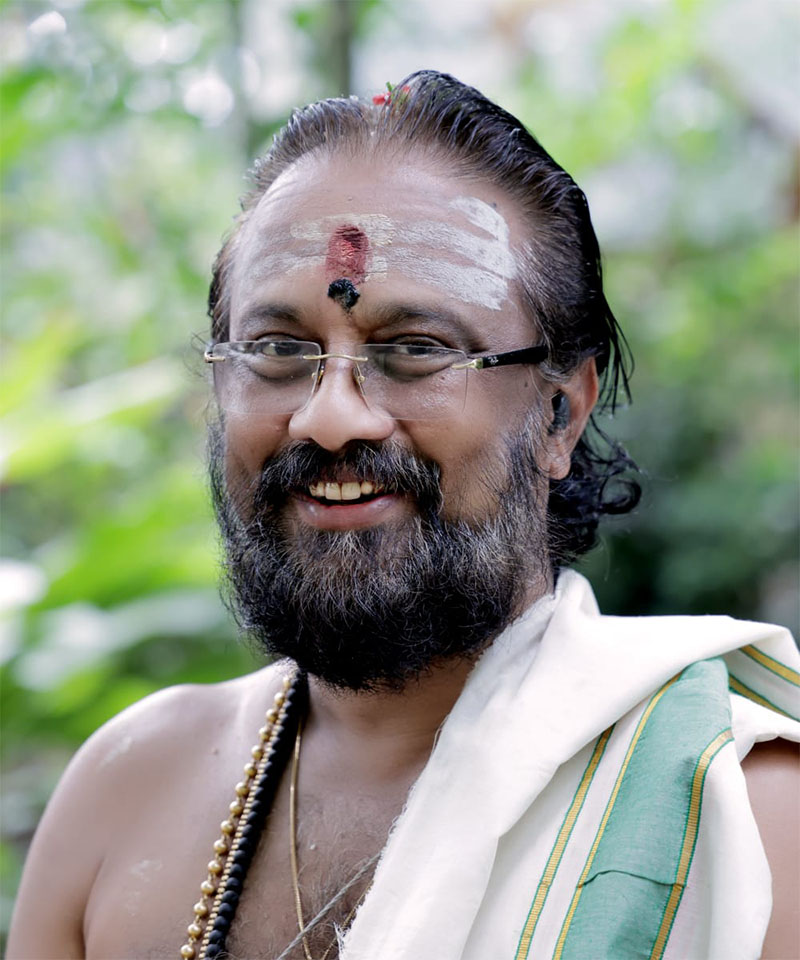
I am a traditional Thanthri of temples practicing all type of thanthric and manthric karmas for suffering people.I have studied all manthras from my Grandfather M.Narayanan Nampoothiri, and he was a famous thanthri of Kerala.
Since I bought up my childhood with him I got opportunity to get training of all thanthric and manthrika poojas.I am a postgraduate in business administration and have several diplomas including Para psychology.I got chance to serve several companies as their manager. After the death of grand father I have taken over the position of thanthri since I am the only member in the family who has learned the poojas from grandfather.
Since 1995 I am practicing all the thanthra and manthravada for lot of renowned temples and suffering people. A lot of devotees from all religion are evidence to the relief got from the removal of all the enemy spirits [sathrudoshas], fault in horoscope [jathaka doshas], pithru doshas [curse from ancestors], educational, employment, financial, life, lifestyle, vasthu problems, etc.


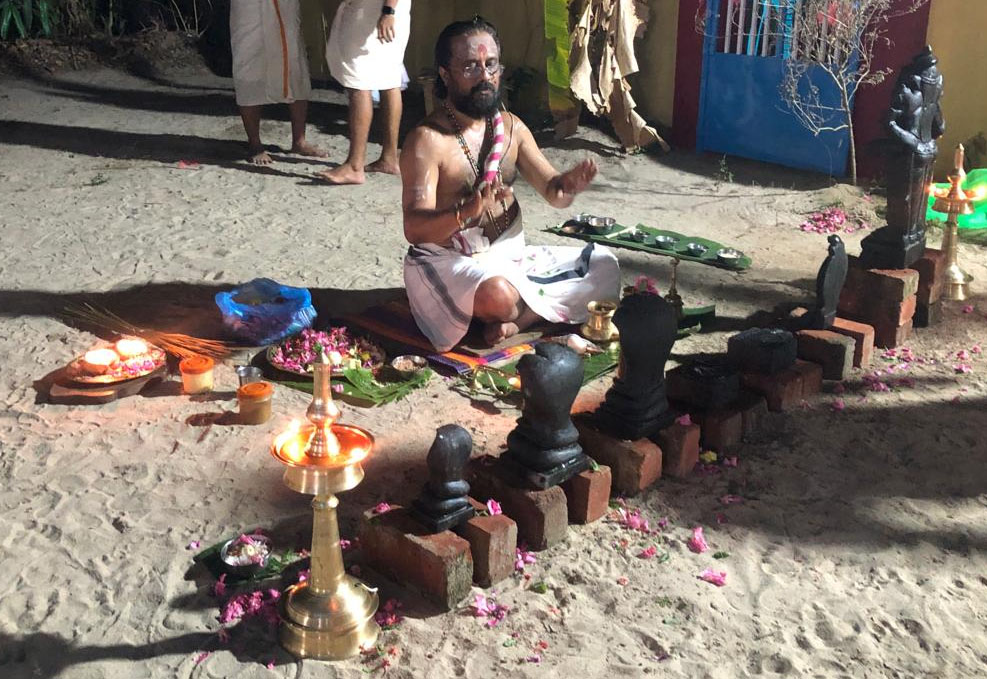
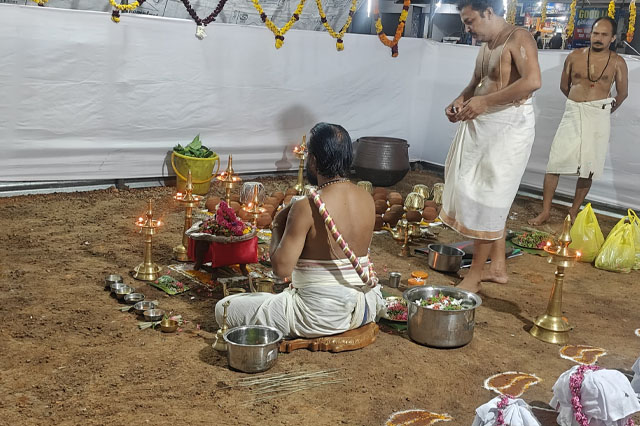
Pooja is the core of worshiping God, in a Thaanthric sense. It's purpose, in essence, is to propitiate the eternal and boundless God in any of it's manifestations (Siva, Vishnu, Durga etc.) by bringing or invoking one of the desired forms to the Poojakan's (Poojaari's) presence, and giving a general royal reception through various oblations and offerings (clothes, decorations, feast etc.), accompanied by chanting of hymns and Manthrams. It is an aspect of Karma Yogam.

Prathishta karmam (Prathishta) is a Hindu ritual or ceremony of consecration, particularly Prana Prathishta, which infuses life force, or divine energy, into a murti (idol or image) making it fit for worship and connecting it to the divine. The process involves priests chanting mantras and performing rituals, which can include installing yantras (geometric designs representing a deity's energy), offering Abhishekam (sacred bath) with sanctified waters, and placing precious metals and stones to endow the idol with divine powers. The ceremony is performed by an eligible Acharya after receiving permission from their Guru and seeking blessings from Lord Ganesha for a smooth completion of the ritual.
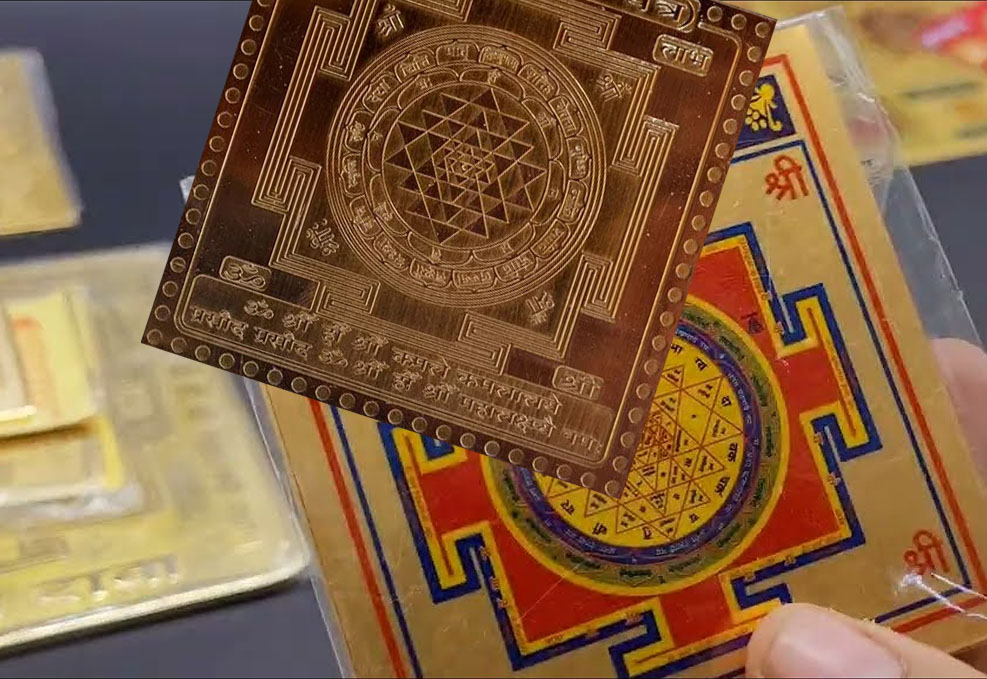
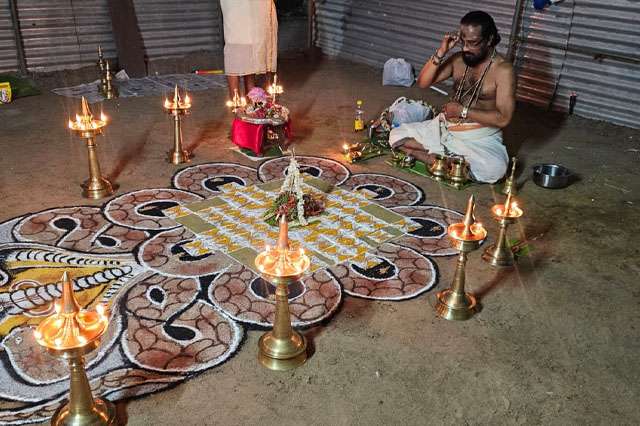
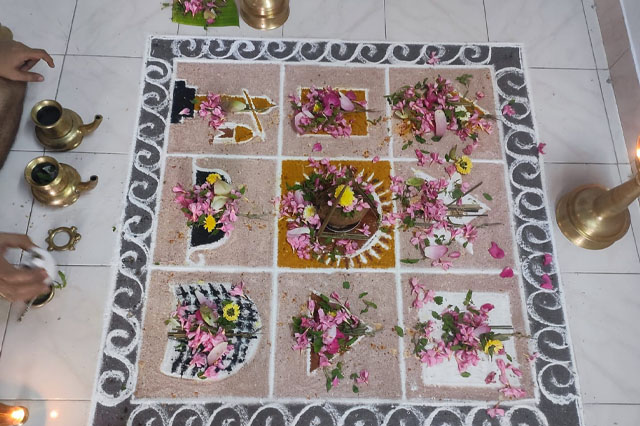
A Yantra is composed of geometrical shapes generating a subtle range of cosmic force matching the invoked energy. When you chant a Vedic mantra, the layers of energy in the microcosm vibrate on the same wavelength with the corresponding energy current in the macrocosm. Thus the energy of the Yantra and Mantra comes from the creation as a whole (Macrocosm).
Yantras work on the divine vibrations of the mantras and helps to connect to the energies of the divine through this process. Yantras can also be described as diagrams which are based on religion and which are symbolic of ‘ultimate reality’. They canalso be defined as an object holding divine astronomical powers and aesthetics.
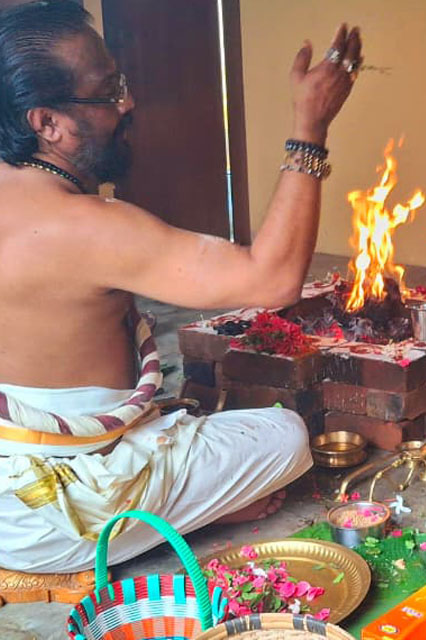
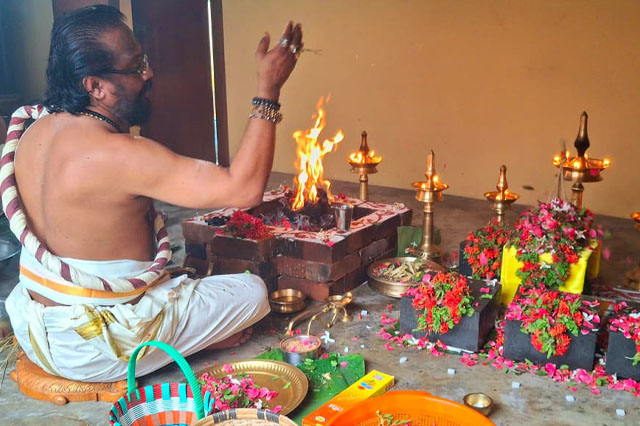
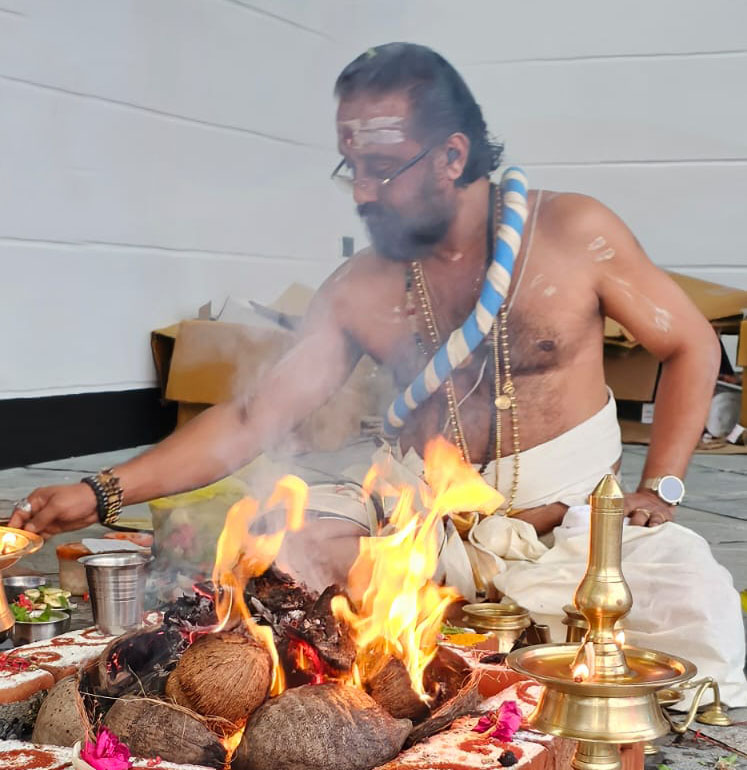
Maha Ganapathy Homam is a sacred fire ritual dedicated to Lord Ganesha. This ritual is performed to invoke Ganesha's blessings and is particularly popular among those seeking to remove obstacles from their path. The word ""Homam"" refers to the offering of various substances into a consecrated fire, accompanied by chanting of Vedic mantras. This act of worship is believed to have a purifying effect, both physically and spiritually.
The Sudarshana Homam is a powerful ritual deeply rooted in Hindu traditions, centered around the divine weapon of Lord Vishnu known as the Sudarshana Chakra. This sacred ceremony has an influence on devotees seeking protection, purification, and spiritual growth.
Mrityunjaya Homam is performed to attain triumph over death. This Homam will shield you from all dangers and favor you with a long life. Lord Shiva is the ruler god of this effective Homa. Mrityunjaya Homam is a life sparing Homam, making radiant constructive monitor around the individual, for whose well-being this Yagya is composed. Range of idealistic energies and vibrations countervail all the cynical and underhanded drives and recovery the individual from bad fortunes. It gives long life, concordance, success, achievement, joy and perpetual life
Shoolini Mantra Homam is performed to ward off powerful evil influences. All purvanga homas/poojas like Ganapathi Homam,Navagraha Homam have to be performed. Durga Sapthasathi maha mantra parayanam also might need to be performed. Goddess Shoolini Durga is invoked in a Kalasha and Homam is done by chanting the Shulini Durga maha mantra. This Soolini Durga Homam helps one to get rid of mental/psychological depression, remove fear/anxiety, cure diseases of the mind. It also protects one’s factory/industry/organization from evil influences.
Lord Narasimha is worshiped for power and success. He is one of incarnations of Lord Vishnu. Lord Vishnu took incarnation of Lord Narasimha to kill demon hiranyakashipu and protect His devotee Prahalad. Narasimha avatara of Lord Vishnu is mentioned in eighteen Puranas. In Vishnu Purana significance of Narasimha avatara of Lord Vishnu is explained in detail. Puja of Lord Narasimha is also done for protection against all types of negative energies such as black magic and more.
Pratyangira Homam is a powerful Vedic ritual performed to invoke the fierce goddess Pratyangira Devi for protection against negativity, evil spells, and obstacles. The homam is used to remove all types of misfortunes, black magic, rivalries, and illnesses, while bestowing courage, mental peace, and overall prosperity. The ritual involves chanting mantras and offering dried red chilies to the sacred fire
Aghora Homam, also known as Aghorastra Homam or Aghora Pashupata Homam, is a powerful Vedic fire ritual performed to invoke the blessings of Lord Shiva in His fierce Aghora Rudra form. The primary purpose is to provide protection from evil spirits, negative energies, evil eyes, witchcraft, curses, and enemies, while also removing obstacles and establishing a protective shield.
The Aayusuktha Homam is a Vedic fire ritual performed to honor Ayur Devata, the deity of life, health, and longevity. The term "Ayush" literally means life or age, making this ceremony a powerful way to seek divine blessings for a long, healthy, and prosperous life. It is performed by invoking Ayur Devata and chanting the Ayushya Suktam, a sacred hymn dedicated to vitality and well-being.
Karuka Homam, also known as Durva Homam or Balarishta Homam, is a Vedic ritual performed to invoke Lord Ganesha and offer Durva grass for the health and well-being of children facing health challenges or astrological afflictions called Balarishta. The homam helps remove obstacles, negative influences from black magic and evil eyes, and promotes success, prosperity, and protection for children.
Mrithasanjeevani Homam is another name for the Maha Mrityunjaya Homam, a Hindu ritual performed to please Lord Shiva and bestow longevity, good health, and prosperity by protecting against untimely death, illness, and calamities. The homam is conducted by invoking Lord Shiva and chanting the Maha Mrityunjaya Mantra, which is believed to offer victory over death, remove past karmas, and provide overall protection. The ritual's benefits include healing chronic illnesses, recovering from serious conditions, and fostering a peaceful and fear-free life.
Thila Homam is a sacred Hindu fire ritual performed to bring peace to the souls of deceased ancestors, particularly those who died an unnatural death or whose last rites were not performed. The ritual involves offering black sesame seeds ("thila") and other ingredients into a sacred fire, a Homa, to appease ancestral spirits, remove Pitru Dosha (ancestral flaws), and alleviate karmic imbalances in the family lineage. It is believed to invite blessings, success, prosperity, and solve problems in health, finances, and relationships
Gayathri Homam is a powerful Vedic fire ritual to honor Goddess Gayatri, also known as the mother of all Vedas. Performed to seek blessings, the homam is believed to bring good health, wealth, intellectual clarity, spiritual growth, and protection from negative influences and past sins. The ritual is called Sukrutha Homam (Homam of Good Deeds) and is performed for general well-being, strengthening personality, and improving relationships.
Swayamvara Parvathi Homam is a powerful Vedic ritual that invokes the blessings of Goddess Parvathi to overcome obstacles and delays in marriage, attract a suitable life partner, and ensure harmony in married life. This homam addresses issues like malefic planetary influences on the 7th house of a horoscope and can also help estranged couples reconcile and strengthen marital bonds. The ritual involves chanting specific mantras and offering various items into the sacred fire, culminating in receiving blessed ash and kumkum
Trishtup Homa is a Vedic ritual where Durga Devi is worshipped to enhance decision-making, cognitive clarity, and to overcome business-related confusion. This fire ritual is also referred to as Ashtakshara Geetha Thrishtup Samputitha Homam and is performed to invoke clarity and good judgment, particularly for business owners facing difficult choices
Aswarooda Homam is a significant Vedic fire ritual performed to invoke the blessings of Goddess Aswarooda, an aspect of Goddess Durga, for success, strength, and the removal of obstacles in career, education, and personal endeavors. The ritual involves chanting mantras, making offerings into a sacred fire, and purifying the environment and participants to foster spiritual growth and positive energies.
Navagraha Homam is a significant Vedic fire ritual performed to appease the nine celestial planets (Navagrahas) and balance their astrological influences on a person's life, such as health, career, and relationships. The ritual aims to mitigate the malefic effects of unfavorable planetary positions, called doshas, in a horoscope (natal chart) and strengthen the positive influences of benefic planets. It involves offerings of nine specific grains (nava dhanyas), flowers, and fabrics into the sacrificial fire to align cosmic energies, remove obstacles, and promote overall well-being and prosperity
Durga Homam is a sacred Vedic fire ritual dedicated to Goddess Durga, the divine mother and protector, to invoke her blessings for strength, courage, prosperity, and protection against negative influences like evil eye, planetary imbalances, and ill intentions. This powerful ceremony is performed by chanting specific mantras and making offerings into a consecrated fire, with the belief that the flames carry these offerings to the goddess, who bestows her blessings upon the participants
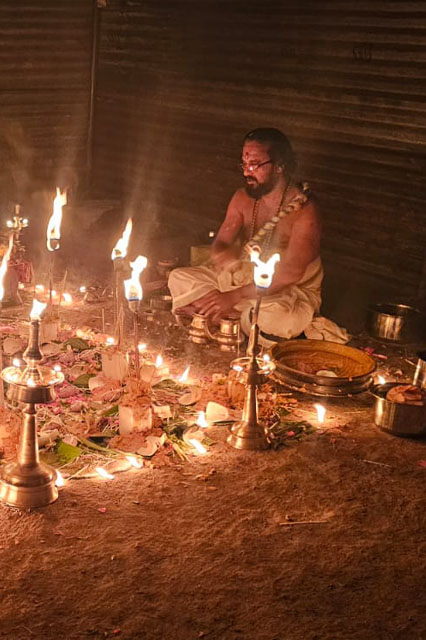
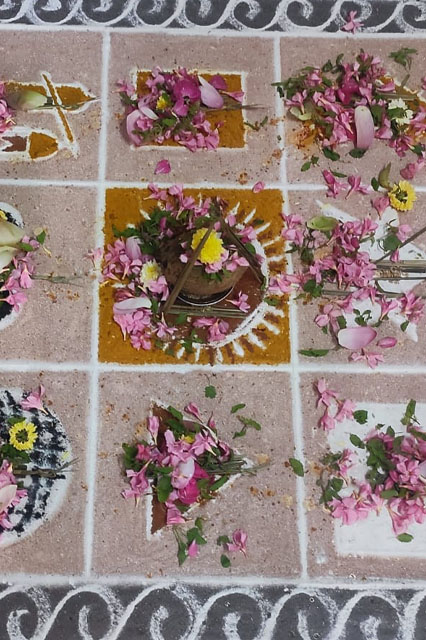
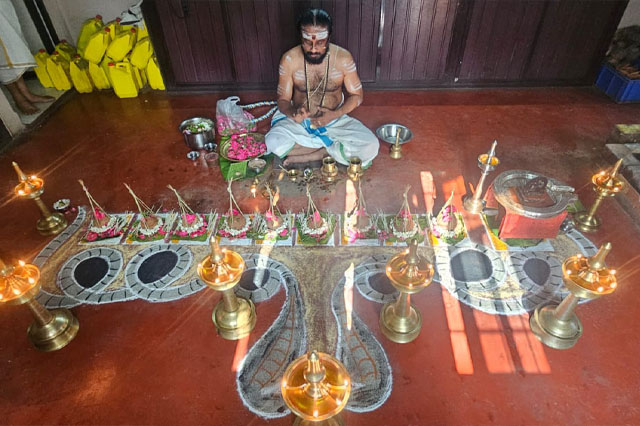
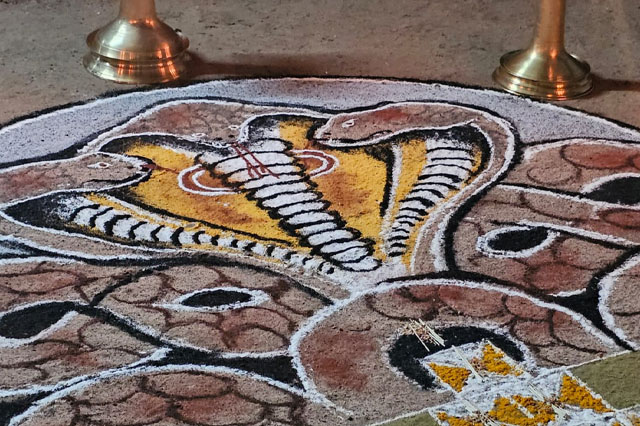
Bhagavathi Seva is an ancient and powerful evening ritual, particularly associated with Kerala, to invoke and honor the divine feminine, especially Goddess Durga in her aspects as Mahakali, Mahalakshmi, and Mahasaraswati, or Goddess Rajarajeswari. The pooja is performed by a specially trained priest to remove negativity, correct planetary influences, and bring spiritual and material well-being, prosperity, and peace to participants. The ritual involves creating a large mandala with a significant lamp at its center, invoking the goddess's energy, and offering prayers and mantras to invoke her blessings and balance
Black magic, also known as dark magic or sorcery, is a form of supernatural practice that involves the use of negative energies, occult forces, and malevolent spirits to manipulate, harm, or exert control over others. It is considered to be the opposite of white magic, which is used for benevolent and positive purposes.
The concept of black magic exists in various cultures and belief systems around the world, and its practices can differ significantly depending on cultural, religious, and historical contexts. While some people believe in the effectiveness of black magic and use it as a means to achieve their goals, others view it as superstitious or harmful.
Typically, black magic involves rituals, spells, curses, hexes, and other arcane methods to cause harm or misfortune to a specific individual or group. The intentions behind using black magic can vary widely, ranging from seeking revenge or power to attempting to control someone’s thoughts, emotions, or actions against their will.
While the exact homam to be performed may vary depending on regional practices and individual beliefs, there are a few common homams that are believed to be effective in removing negative energies and protecting the household:
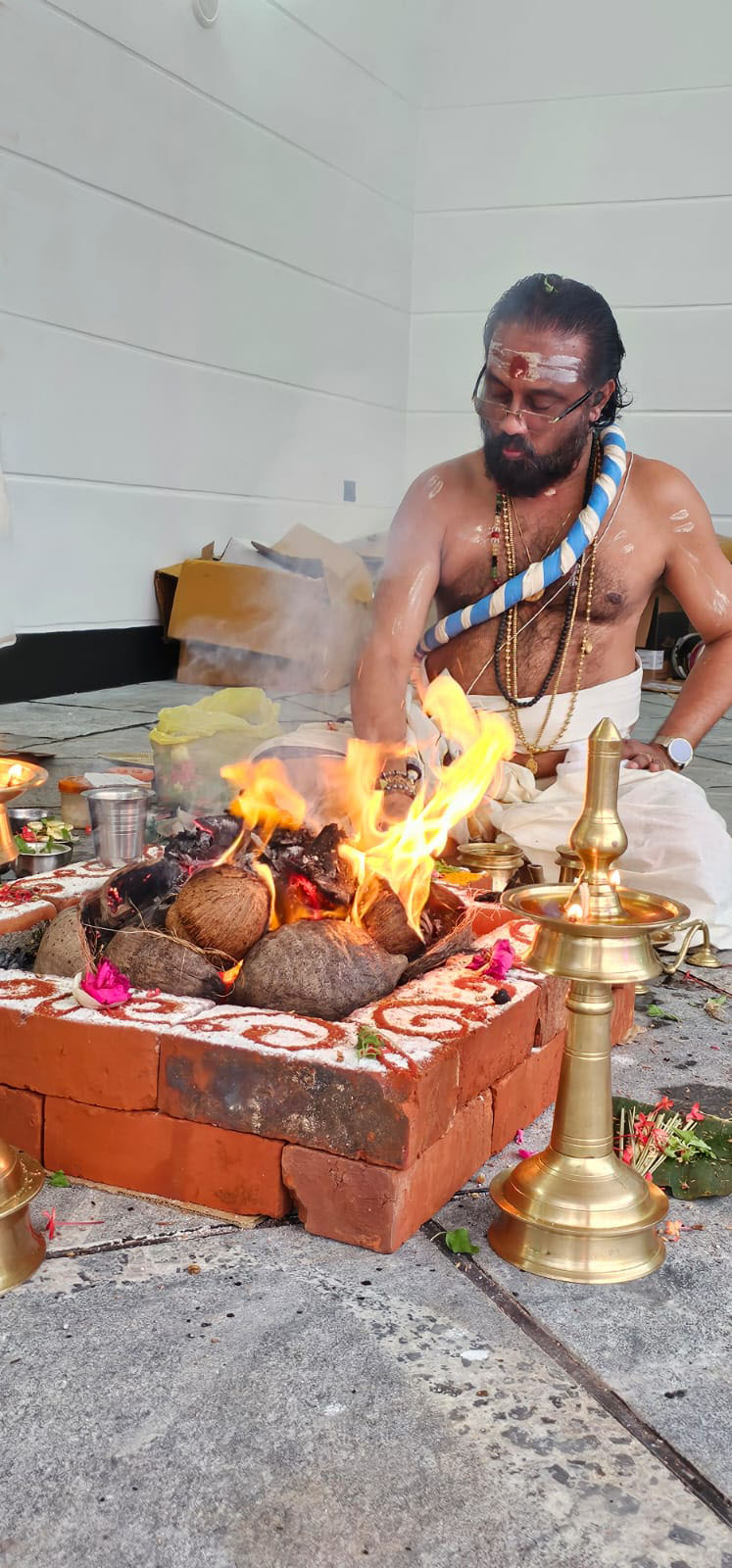

Prathishta karmam (Prathishta) is a Hindu ritual or ceremony of consecration, particularly Prana Prathishta, which infuses life force, or divine energy, into a murti (idol or image) making it fit for worship and connecting it to the divine. The process involves priests chanting mantras and performing rituals, which can include installing yantras (geometric designs representing a deity's energy), offering Abhishekam (sacred bath) with sanctified waters, and placing precious metals and stones to endow the idol with divine powers. The ceremony is performed by an eligible Acharya after receiving permission from their Guru and seeking blessings from Lord Ganesha for a smooth completion of the ritual.
This homam is dedicated to Goddess Durga, who is considered a powerful deity capable of dispelling negative forces and protecting against evil energies.
Lord Sudarshana is believed to be a manifestation of Lord Vishnu’s divine discus, and this homam is performed to seek protection and remove any obstacles caused by negative entities.
This homam is dedicated to Lord Shiva and is believed to have the power to cleanse the surroundings and bring positive energy to the home.
This homam is performed to appease the nine planetary deities in Vedic astrology, seeking their blessings and protection against malevolent planetary influences.
Lord Hanuman is revered for his protective abilities, and this homam is believed to safeguard the household from negative energies and evil spirits.
Homage to Lord Ganesha, the remover of obstacles, to ensure a smooth and positive environment in the home
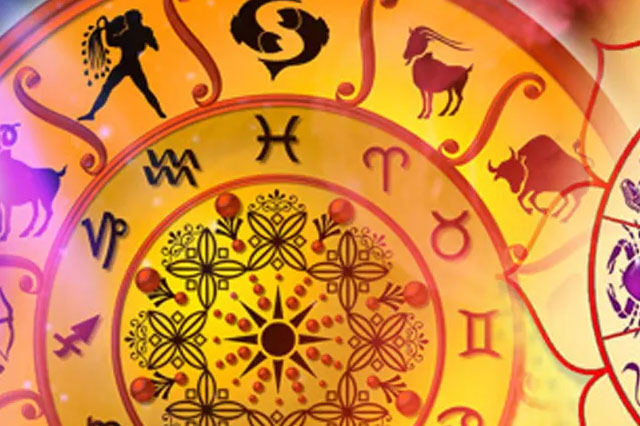
Offers consultations for marriage, pre-marriage, love, divorce, future partner, horoscope matching, delay in marriage, and business related
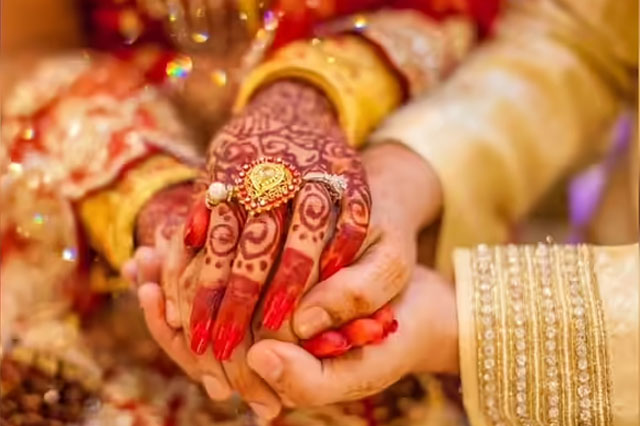
Porutham is an ancient method of checking how compatible a pair of horoscopes are likely to be astrologically, all based on the date of birth & time of birth.
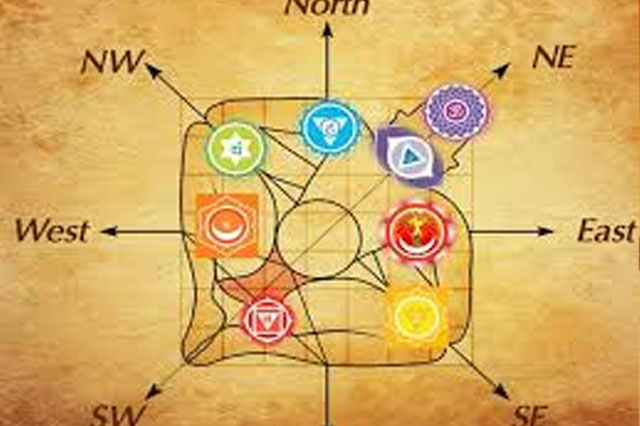
Provides Vastu consulting for the design and renovation of homes and commercial structures in India and abroad
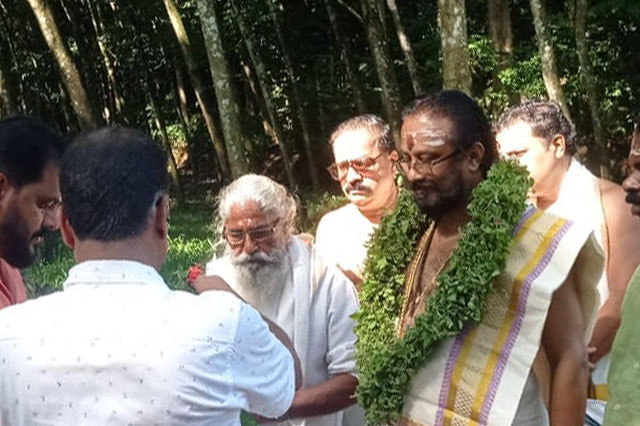
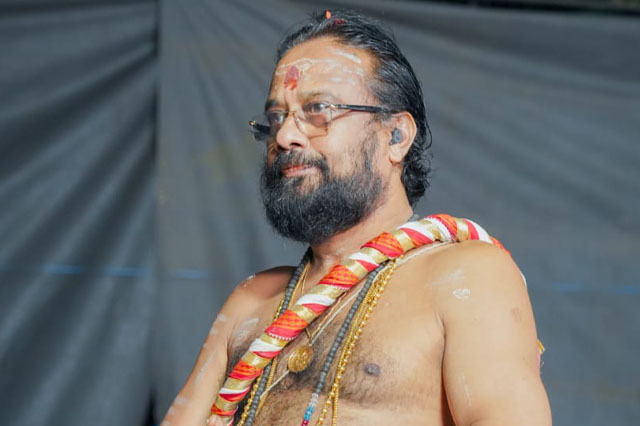
Thanthri, Thanthrika Sreshta
Brahmasree.
Dr. Dileepan Narayanan Nampoothiri
Registrar - Akhila Kerala Thanthri Mandalam,
Vice Chairman, Invigilator For AKTM, IT Chief Co-Ordinator- Thanthri Mandala Vidyapeedam.
Treasurer - AKTM Pathanamthitta District Committee
Renowned Astrologer and Artist
+91 9447358797
+91 9497814889
+91 8075035780
Telephone
+91 9447358797
Location
Valavakkottillam, Mathilbhagom,Working Hours
Mon - Sun : 9:00 am to 70:30 pm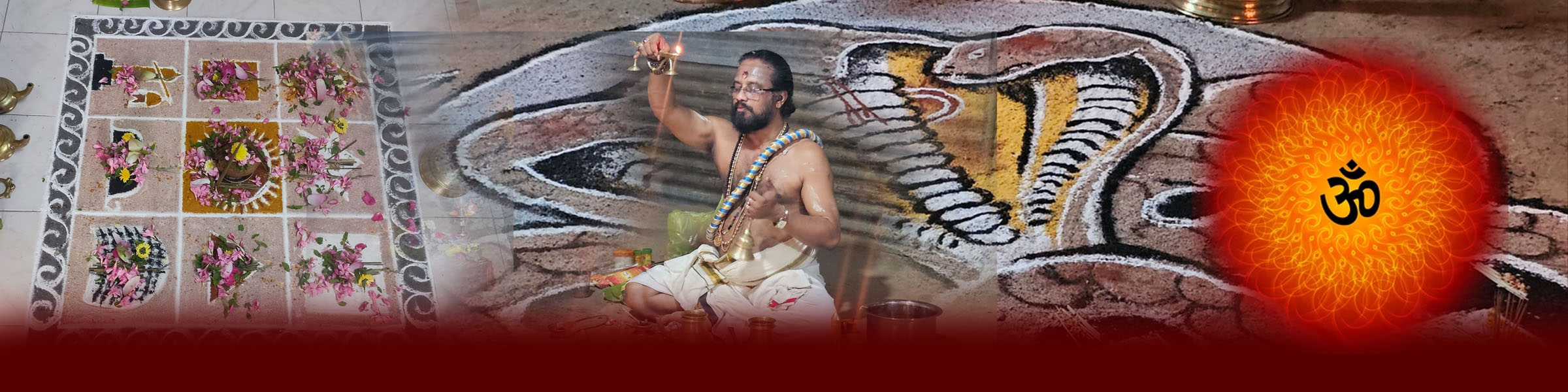
© 2025 Thanthridileepan.com. All Rights Reserved | Design by AkeyDesigns